The HX50 and HC50
Although the HX50 and HC50 serve different regulatory and operational roles, they are physically identical.
31 Jul 2026
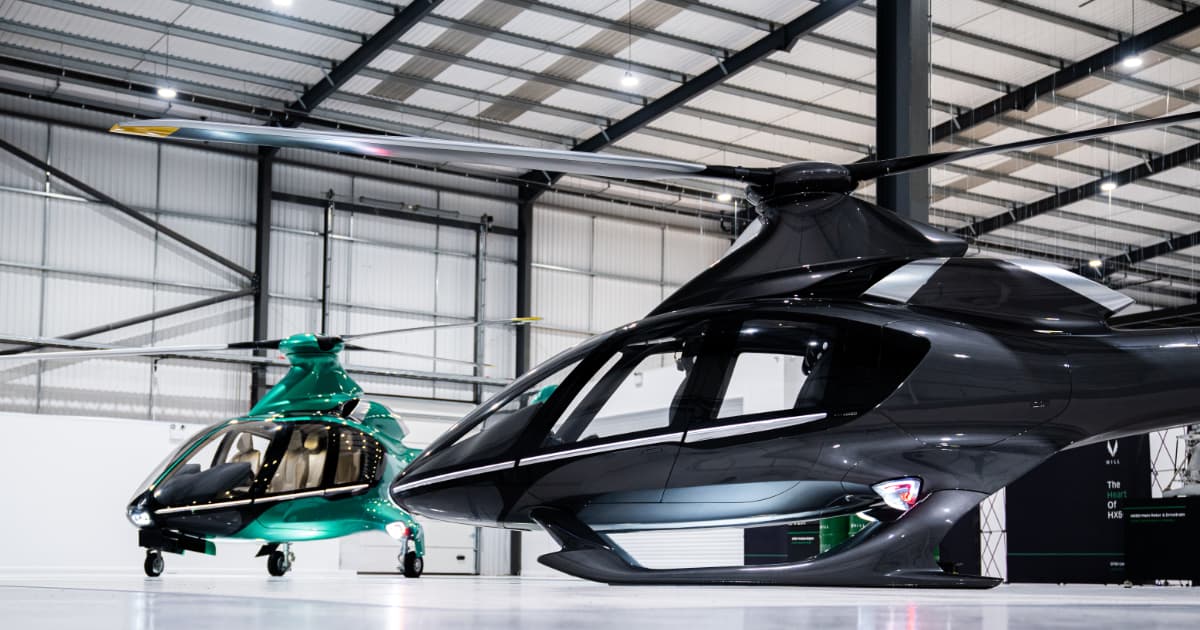
Both are built to exceed EASA CS-27 Revision 7 - the highest global benchmark for this class of rotorcraft. They share the same factory floor, the same composite monocoque structure, the same rotor system, and the same avionics suite.
Whether you are flying for pleasure or for profit, there is no reduction in specification.
Two Missions, One Airframe
Hill Helicopters approached the HX50 and HC50 without the constraint of legacy tooling or outsourced component limits. The result is an integrated platform where every element is designed to work in concert.
GT50 Turbine
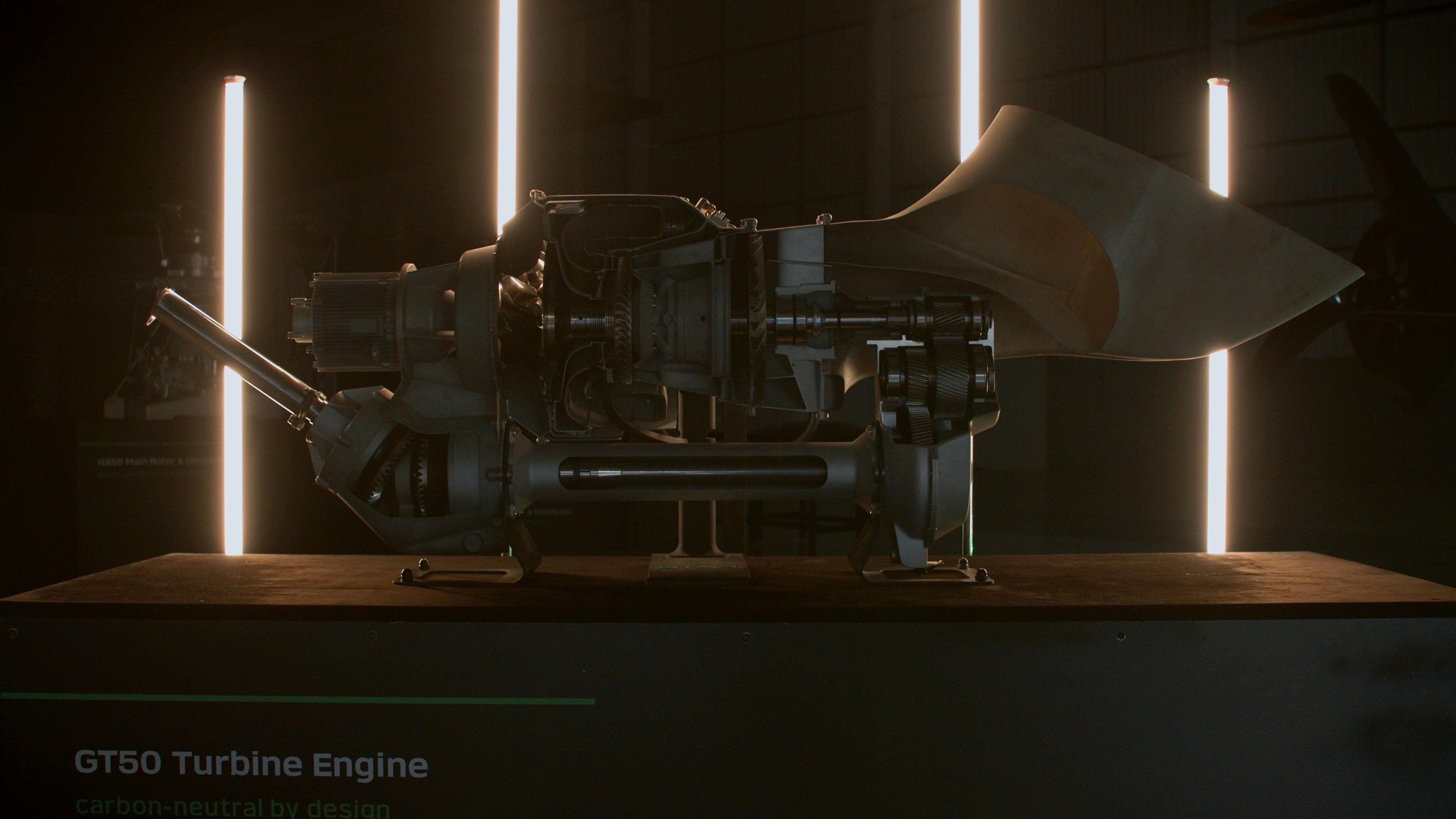
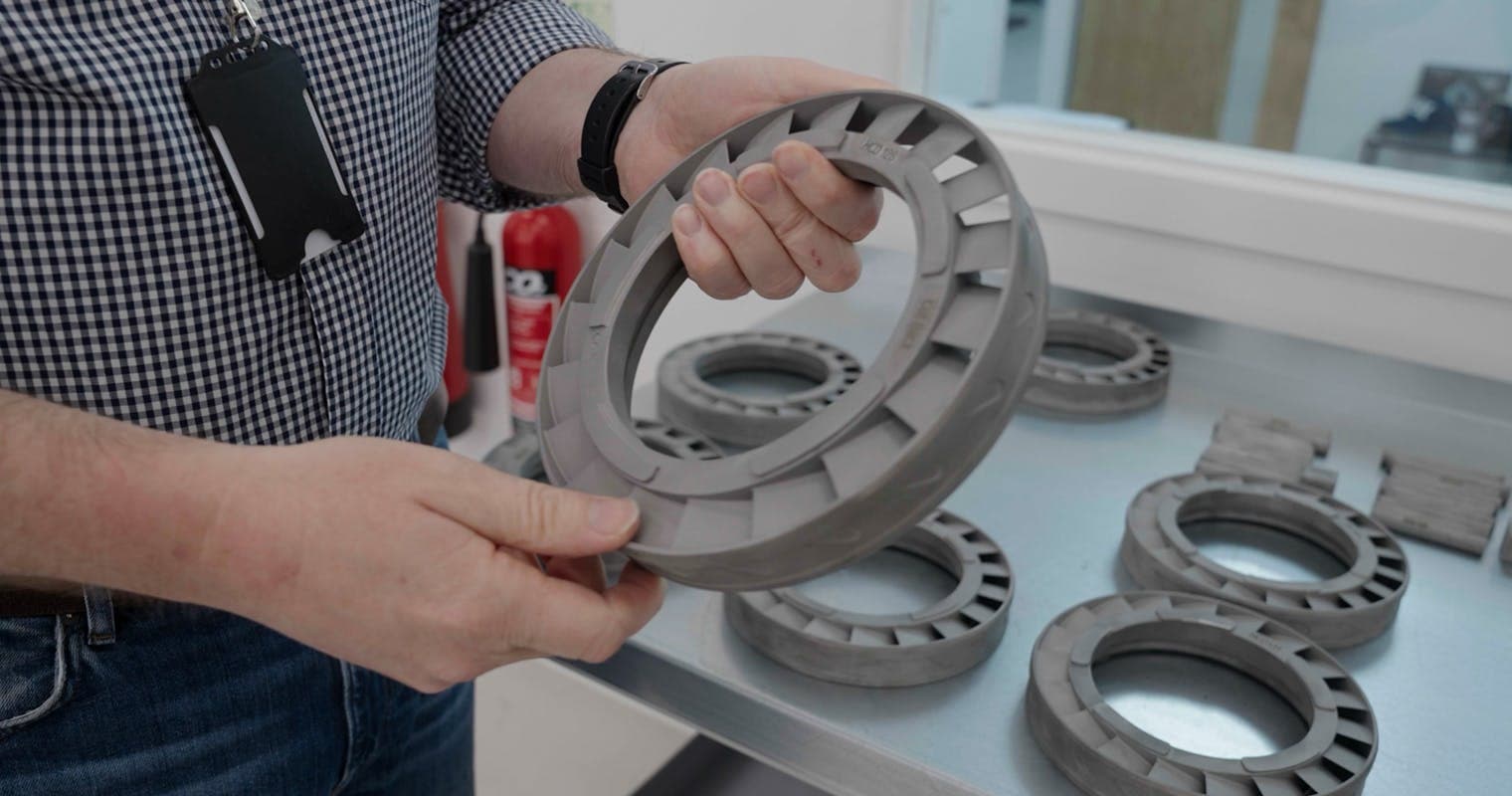
At the centre of the platform lies the Hill GT50, a proprietary turbine developed and manufactured entirely in-house. It produces 400 hp at max continuous power, 440 hp at take-off (five-minute limit) and 500 hp for 30-seconds . Over 180 high-pressure and low-pressure turbine blades are cast with exceptional consistency, contributing to an approximate 99% combustion efficiency confirmed in testing.
The GT50 is certified for standard jet fuel and, significantly, for fully synthetic biodiesel, a 100% carbon-neutral green fuel that future-proofs the aircraft as the industry moves towards SAF.
By producing the entire engine at PC1, Hill will reduce the cost to roughly one-seventh of the nearest competitor. That translates directly into a lower purchase price and substantially reduced hourly operating costs, without sacrificing performance.
Performance by the Numbers
The HX50 is engineered for genuine utility, not just brochure figures.
Key specifications include:
- Maximum take-off weight: 1,650 kg (3,630 lb)
- Empty weight: 850 kg (1,870 lb)
- Useful payload: 800 kg (1,760 lb)
- Cruise speed: 140 knots (wheeled retractable undercarriage); 125 knots (optional skid configuration)
- Maximum range: 700 nautical miles, enabled by a 175-gallon fuel tank providing five hours of endurance
To put the payload into context, a standard five-seat configuration allows for five occupants at 95 kg each, 27 kg of luggage, and 700 lb of fuel, yielding three hours of flight and a range of 420 nautical miles.
If the cabin is loaded with lighter passengers, the remaining payload capacity can be allocated to additional baggage (up to 200 kg in the generously proportioned luggage compartment) or fuel.
At gross weight on a +15 °C ISA day, the aircraft can hover out of ground effect at 10,000 feet and still climb vertically out of confined areas at approximately 300 feet per minute. Take-off and landing in ground effect are possible up to 14,000 feet - figures that open up mountain, high-plateau, and hot-climate operations without compromise.
Hill Digital Cockpit
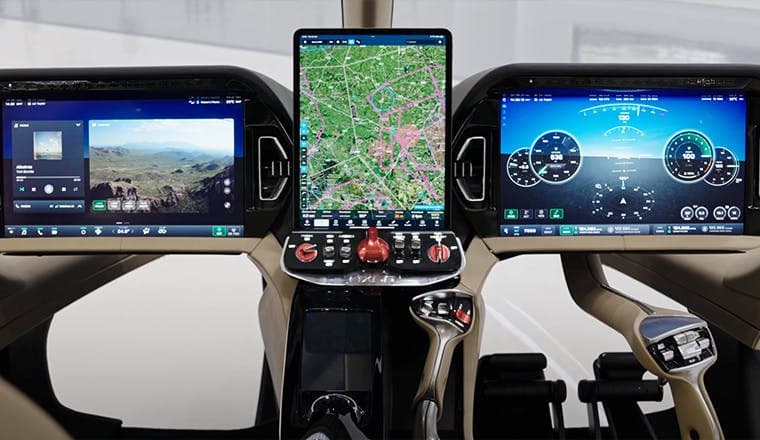
Every aircraft is fitted with the Hill Digital Cockpit (HDC) as standard. The system comprises two 15-inch glass display panels that marry the immediate readability of traditional steam-gauge layouts with the flexibility of modern digital architecture. Instruments are logically clustered to reduce pilot workload, while emergency procedures can be displayed directly on the primary flight display.
An integrated iPad mount allows owners to use their preferred navigational applications, and the central IPI controller manages major functionality adjustments such as radio frequencies and barometric pressure setting.
Standard equipment also includes a dual-channel Hill FADEC with manual reversion, ensuring protection against hot starts; a two-axis autopilot; hydraulic controls; climate control; leather seats; fuel bladder tanks; and a flight recorder. An infrared camera feeding to the PFD places technology normally reserved for larger certified platforms firmly within the owner-pilot domain.
Cabin Comfort and Configurability
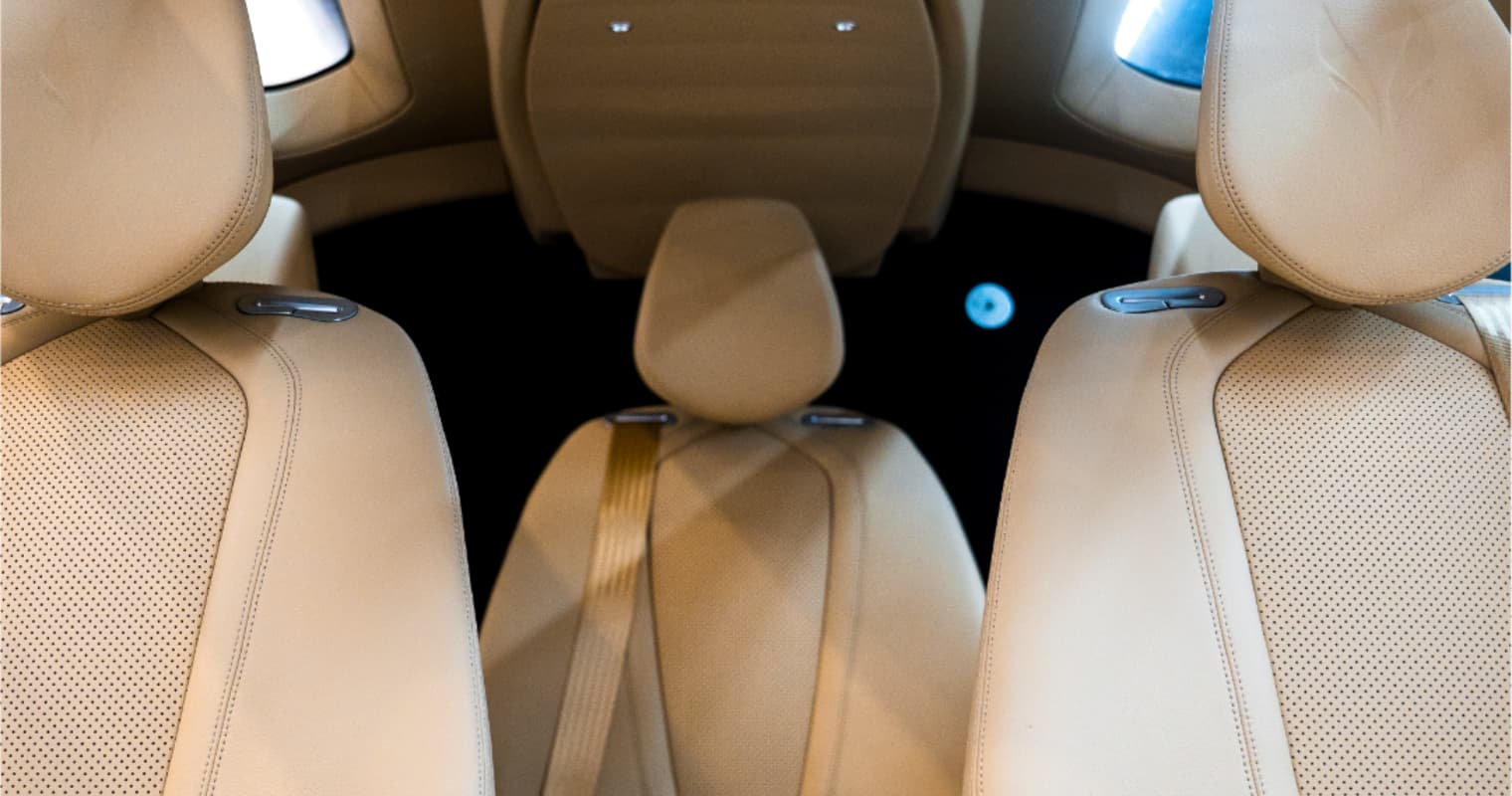
The passenger experience has been designed to mirror that of a high-end luxury vehicle. Theatre-style seating raises the rear row slightly above the front, ensuring every occupant enjoys an unobstructed view through the expansive cabin glazing. All five seats are equally sized; there is no “bad seat.” Armrests, centre console storage, and integrated phone charging points complete the interior.
Through the online configurator, owners can specify exterior colour, wheeled or skid undercarriage, and a growing list of factory options. Notable additions include a blade-fold kit for compact hangar storage, a four-axis autopilot, belly-mounted emergency pop-out floats that incur no performance penalty, and HeliMove, a smartphone-controlled motorised wheel system that allows a single person to roll the helicopter into position without ground-handling equipment.
Safety Beyond Certification
Hill’s safety philosophy extends well beyond regulatory minimums. The **monolage** composite monocoque structure acts as a robust roll cage around the occupants, while the latest crash-worthy seat technology absorbs impact energy. Combined with an 80% increase in power-plant efficiency and a 15% improvement in rotor-system aerodynamic efficiency, delivered by a high-inertia three-bladed rotor and shrouded tail rotor, the aircraft operates with enormous safety margins in every phase of flight.

JOIN OUR GROUP PRESENTATION
Are you interested in the HX50? Book your spot in our group presentation and learn why the HX50 will be better than your current helicopter.
What's in the presentation
Who
Mischa Gelb (aka Pilot Yellow) and Ruben Dias
What
Exclusive full details about the HX50 not yet available to the public
How
30-minute presentation + Q&A
Be part of the journey
Get all the relevant news and updates about the HX50 delivered to your inbox.

HX50
Exterior Concept
Interior Concept
GT50 Turbine Engine
General Aviation 2.0
Hill Digital Cockpit
News & Stories
Technical Details
Range Simulator
Journey to HX50
ADDRESS
Hill Helicopters
Unit 3, Shackleton Way
Stafford, ST16 1GY
United Kingdom
Contact
General Enquiries:
+44 (0) 1384 590700
Accounts:
+44 (0) 1384 590700
Sales:
+44 (0) 1889 228040
hello@hillhelicopters.com
ADDRESS
Hill Helicopters
Unit 3, Shackleton Way
Stafford, ST16 1GY
United Kingdom
© 2026 HILL HELICOPTERS