GT50 Combustion Testing Update
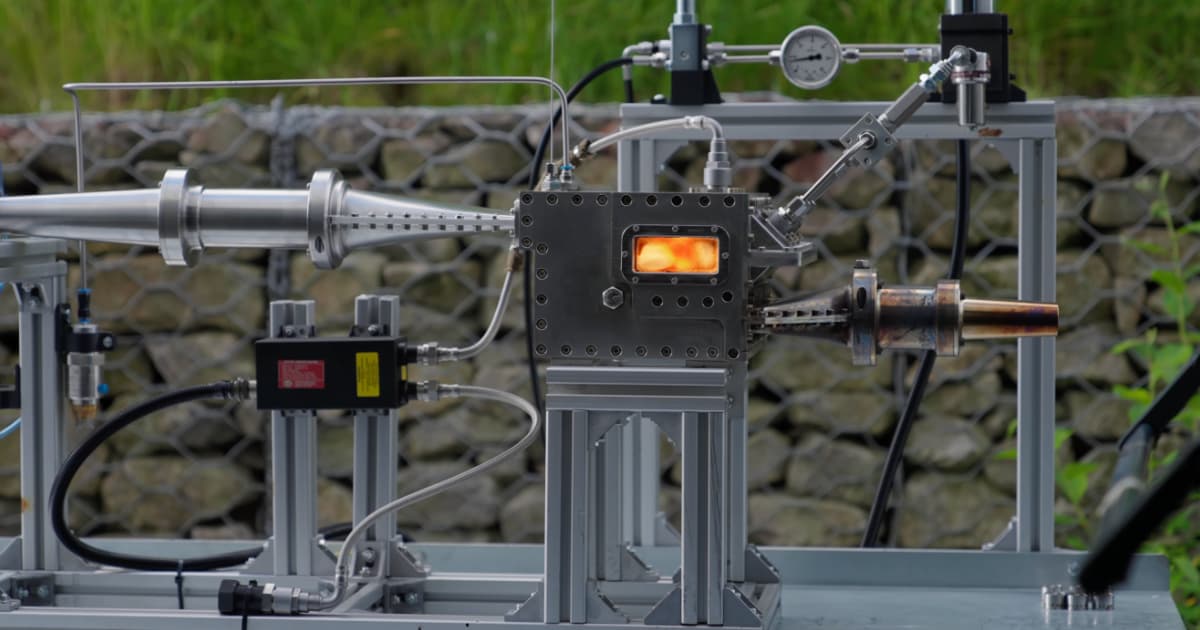
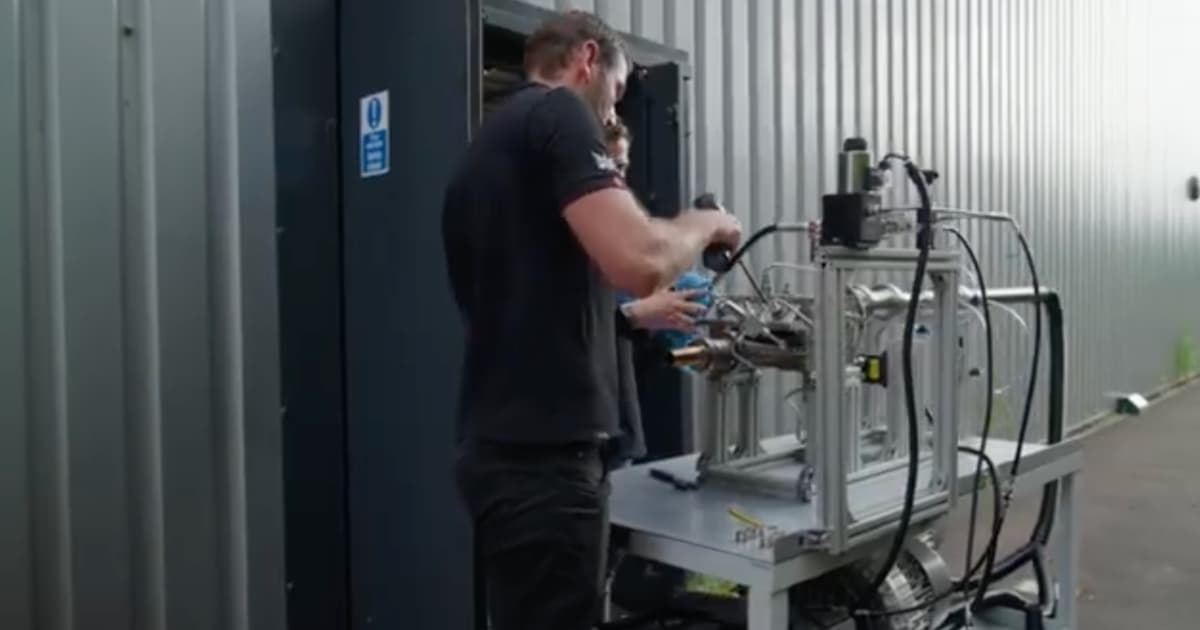
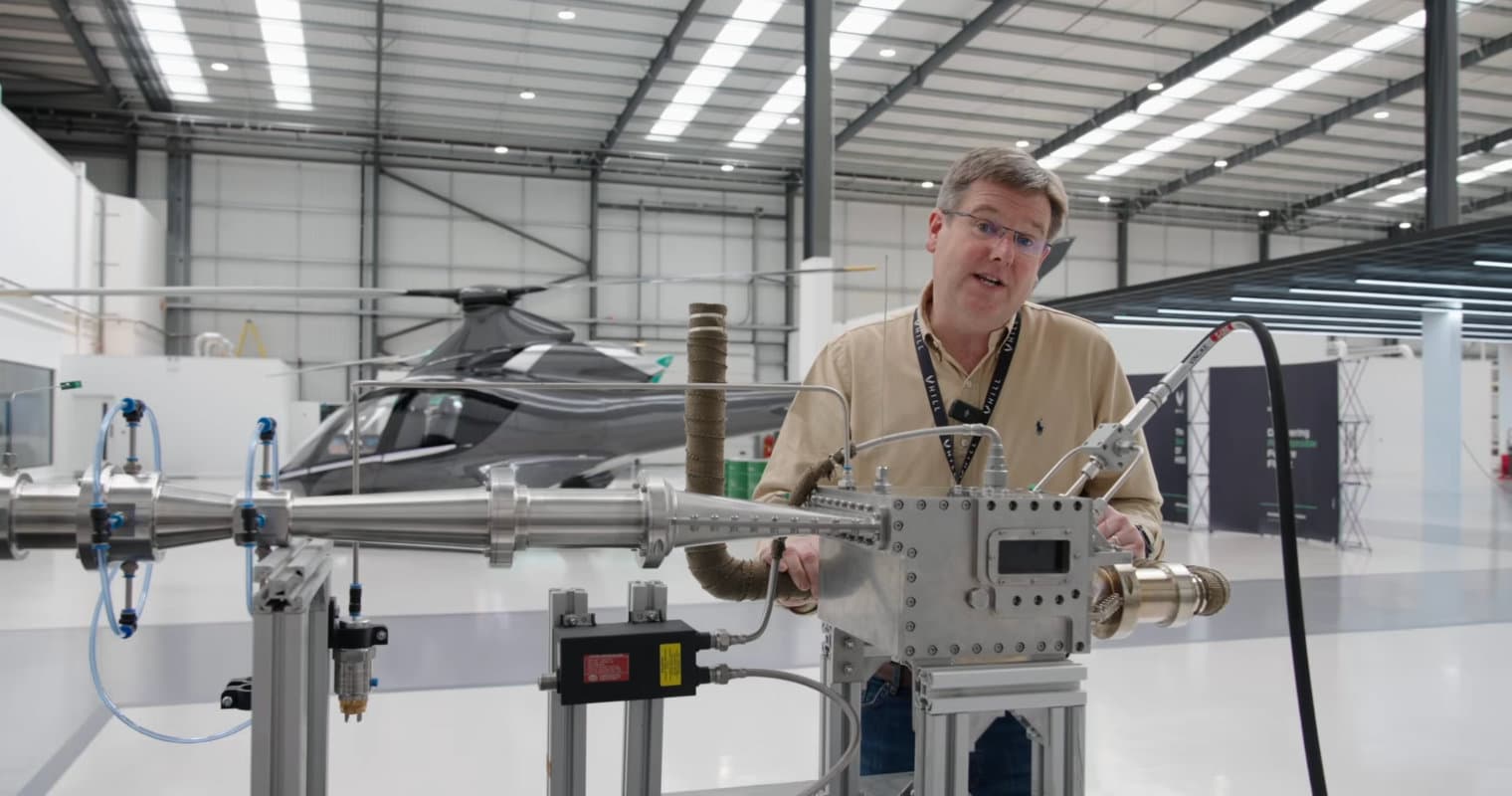
Over the past few days, we have been using the Rufus 3 rig to establish the combustion process for the early stages of GT50 testing.
The result is stable, continuous combustion within the combustion chamber, alongside the resolution of several initial aerodynamic and aeroacoustic instabilities.
24 Jun 2026
A Step Forward for the GT50 Programme
Using our Rufus 3 rig at PC1, the team has been focused on setting up and refining the combustion process.
We have now reached a point where:
- combustion is stable and continuous within the combustion chamber
- early aerodynamic instabilities have been eliminated
- early aeroacoustic instabilities have been resolved
- the combustor is operating as intended
In practical terms, this means the programme is moving from early setup and troubleshooting into a more refined optimisation phase.
What We Have Achieved So Far
The current combustor configuration is already demonstrating the core behaviours we were aiming for in this stage of testing.
Stable ignition and operation
The combustor now:
- ignites well
- remains stable in operation
- cross-lights effectively
- runs well across the rich limit to the lean limit
That combination is a strong indicator that the underlying combustion process is working properly and consistently.
What Still Needs Refinement
Although the current results are highly encouraging, there is still some optimisation to complete. The team is therefore focused on:
- improving fuel-air mixing
- refining the primary zone of the combustion chamber
- bringing combustion behaviour closer to the desired operating condition
This is now a matter of tuning and optimisation rather than solving fundamental issues.
The Next Phase of Testing
With the combustor now around 90% of the way to the required standard, the next stage is to push the system harder under more demanding conditions.
That will include testing at:
- higher temperatures
- higher pressures
- increased fuel flow
- conditions representative of higher power settings
These next tests will help confirm that the combustor can perform comfortably and safely in the conditions required for the first GT50 engine.
Why This Matters
Early combustion testing is one of the most important phases in any turbine engine development programme. Reaching stable, continuous combustion while resolving initial instabilities gives the team a solid foundation for the next steps.
At this point, we are no longer trying to prove whether the combustor can work. Instead, we are focused on refining how well it works as we prepare for more advanced engine testing.

JOIN OUR GROUP PRESENTATION
Are you interested in the HX50? Book your spot in our group presentation and learn why the HX50 will be better than your current helicopter.
What's in the presentation
Who
Mischa Gelb (aka Pilot Yellow) and Ruben Dias
What
Exclusive full details about the HX50 not yet available to the public
How
30-minute presentation + Q&A
Be part of the journey
Get all the relevant news and updates about the HX50 delivered to your inbox.

HX50
Exterior Concept
Interior Concept
GT50 Turbine Engine
General Aviation 2.0
Hill Digital Cockpit
News & Stories
Technical Details
Range Simulator
Journey to HX50
ADDRESS
Hill Helicopters
Unit 3, Shackleton Way
Stafford, ST16 1GY
United Kingdom
Contact
General Enquiries:
+44 (0) 1384 590700
Accounts:
+44 (0) 1384 590700
Sales:
+44 (0) 1889 228040
hello@hillhelicopters.com
ADDRESS
Hill Helicopters
Unit 3, Shackleton Way
Stafford, ST16 1GY
United Kingdom
© 2026 HILL HELICOPTERS