Combustion Testing Success on Rufus 3
Over the past week, our team has achieved significant milestones, from completing the trial fit of major engine casings to a major breakthrough in our combustion testing. It marks a major step towards final prototype engine assembly and the first engine run.
12 Jun 2026
Preparing the Prototype GT50 Engine
We have completed the trial fit of all the major casings for the GT50. The team also carried out extensive fitting and measurement work on the final gas generator rotor, which has now gone off for balancing before being inserted into the engine.
With that work nearly complete, final assembly of the prototype GT50 engine is expected to begin at the start of the following week.
Developing the Fuel System and FADEC
Alongside assembly preparation, our team has been extensively qualifying and developing the fuel system for the prototype GT50 engine.
This system will be used to map the entire operational envelope of the engine and gather the parameters needed for the final flight version of the FADEC.
The work includes:
- Valves
- Protection measures
- Pumps
- Fuel nozzles
These elements have been calibrated and developed on the Rufus 1 rig and its associated fuel test rig.
What Rufus 3 is designed to do
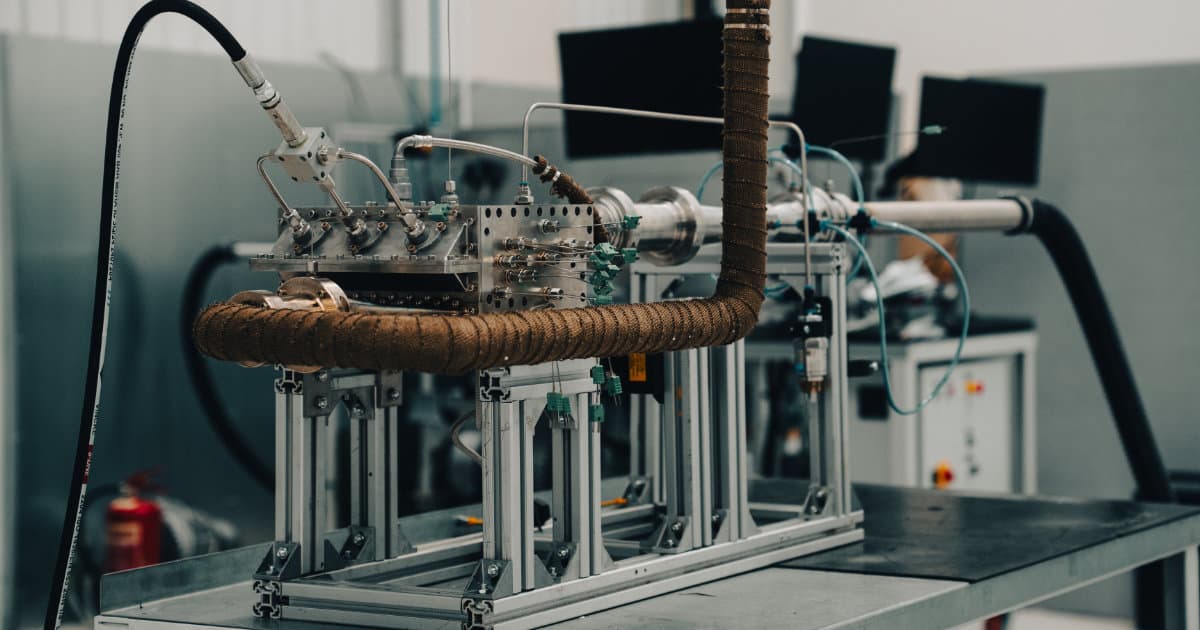
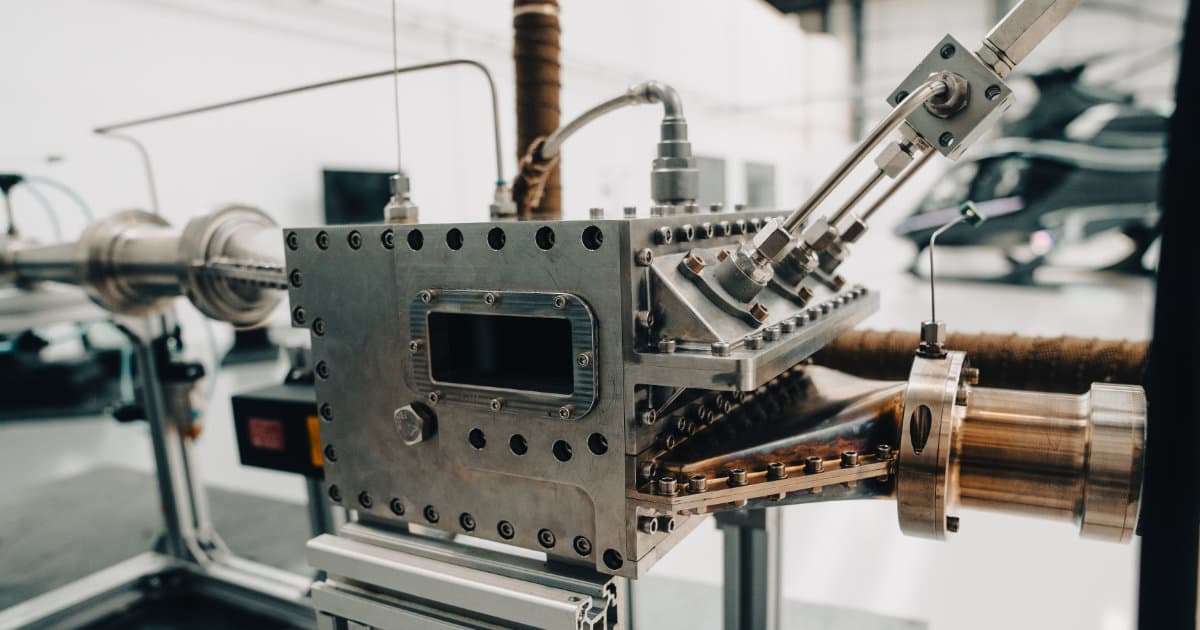
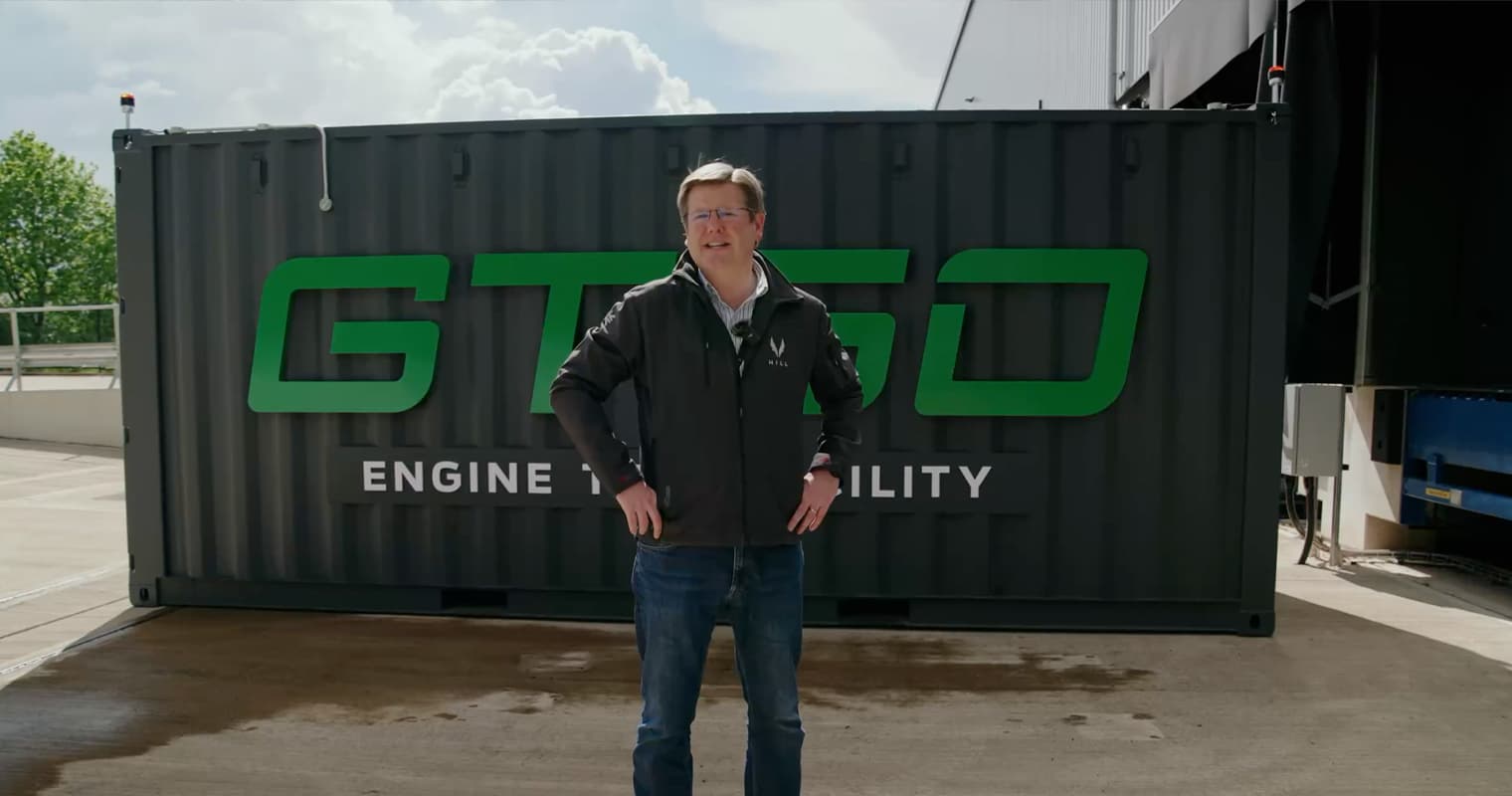
Rufus 3 is the rig now being used for combustion testing. It is one quarter of the GT50 combustion chamber in rig form, including three fuel injectors and swirlers, plus the systems needed to control fuel flow, airflow and measurement during combustion testing.
This allows the team to study everything happening during the combustion process before moving to the complete engine.
Why combustion is such a difficult challenge
Designing fuel injection nozzles at this size scale is incredibly difficult. The GT50 requires between 10 and 15 times more fuel at maximum power than it does during initial ignition. Achieving this vast range of modulation is impossible with a standard single-orifice nozzle without pushing gear pumps, valves, and fuel metering units to extreme, difficult-to-manage pressures.
To solve this, we started our fuel system development very early. Over the last 18 months, we have focused on:
- Reliably getting fuel into the combustion chamber.
- Manufacturing nozzles that resist carbon build-up and contamination.
- Achieving the precise level of atomisation and fuel modulation required.
A Landmark Success: The Production Chamber Fires
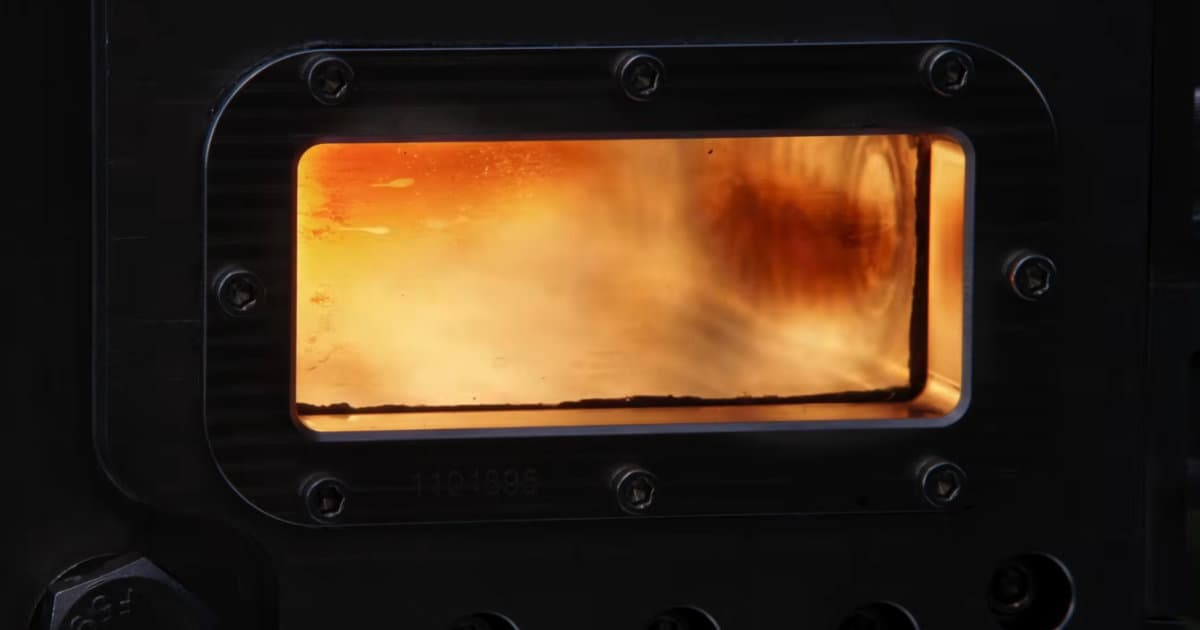
Today, we reached a massive milestone: for the very first time, we got the production combustion chamber fired and operating reliably.
While it is not perfectly tuned yet, it lights up instantly and allows us to robustly modulate the flow of fuel and air through the operating range, resulting in nice, stable combustion. We have successfully put our biggest developmental risks to bed, conquering what we consider to be the single most difficult thing to do in this engine.x§
What happens next
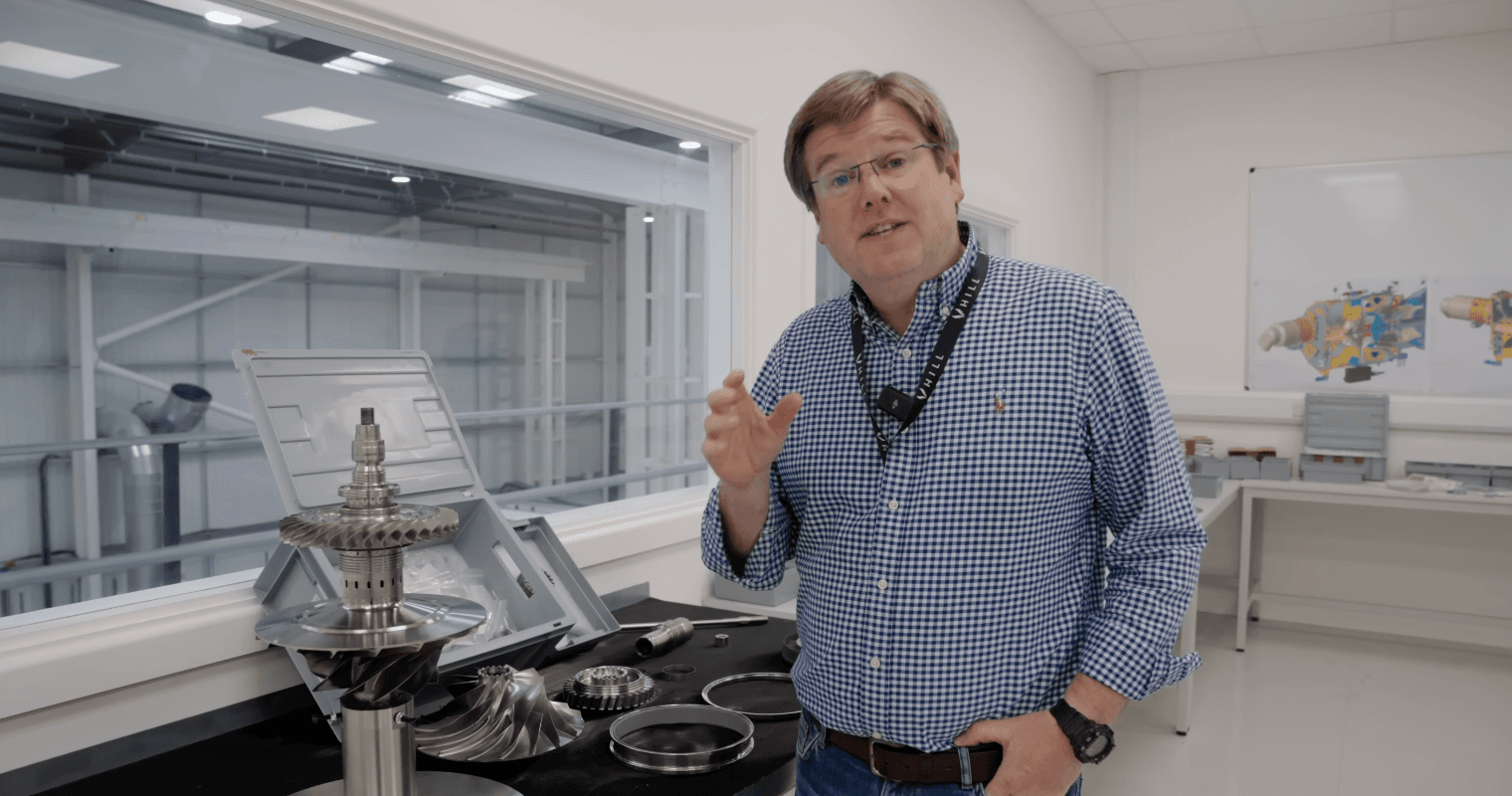
The next step is to continue adjusting parameters to refine how the system runs.Within roughly a week to 10 working days, the combustion setup should be ready for the first prototype engine run.

JOIN OUR GROUP PRESENTATION
Are you interested in the HX50? Book your spot in our group presentation and learn why the HX50 will be better than your current helicopter.
What's in the presentation
Who
Mischa Gelb (aka Pilot Yellow) and Ruben Dias
What
Exclusive full details about the HX50 not yet available to the public
How
30-minute presentation + Q&A
Be part of the journey
Get all the relevant news and updates about the HX50 delivered to your inbox.

HX50
Exterior Concept
Interior Concept
GT50 Turbine Engine
General Aviation 2.0
Hill Digital Cockpit
News & Stories
Technical Details
Range Simulator
Journey to HX50
ADDRESS
Hill Helicopters
Unit 3, Shackleton Way
Stafford, ST16 1GY
United Kingdom
Contact
General Enquiries:
+44 (0) 1384 590700
Accounts:
+44 (0) 1384 590700
Sales:
+44 (0) 1889 228040
hello@hillhelicopters.com
ADDRESS
Hill Helicopters
Unit 3, Shackleton Way
Stafford, ST16 1GY
United Kingdom
© 2026 HILL HELICOPTERS