Recap October's HX50 Monthly Update
Recap the last October's update from PC1. We were thrilled to pull back the curtain on the feverish activity happening behind the scenes, from the first GT50 turbine engine hitting the test bench to the reveal of our first-ever composite main rotor blade.
24 Feb 2026
Key Takeaways:
- GT50 Engine Milestone: Assembly of the first prototype engine is imminent, with critical thermal clearances and sealing systems fully resolved. The first engine run is now targeted for April 2026.
- Rotor Blade Breakthrough: The first HX50 composite main rotor blade has been successfully cured in a "one-shot" moulding process, validating years of structural dynamics and manufacturing engineering.
- Safety Without Compromise: New crashworthy seat designs significantly exceed regulatory standards, engineered to protect occupants up to 136 kg (300 lbs) - nearly double the industry's standard testing weight.
- Economic Disruption: Hill's vertical integration strategy (manufacturing 95% of parts in-house) is delivering a 10x cost advantage over traditional aerospace suppliers, securing the project's unique price point.
The GT50 Turbine Engine
Mastering Sealing and Thermal Dynamics
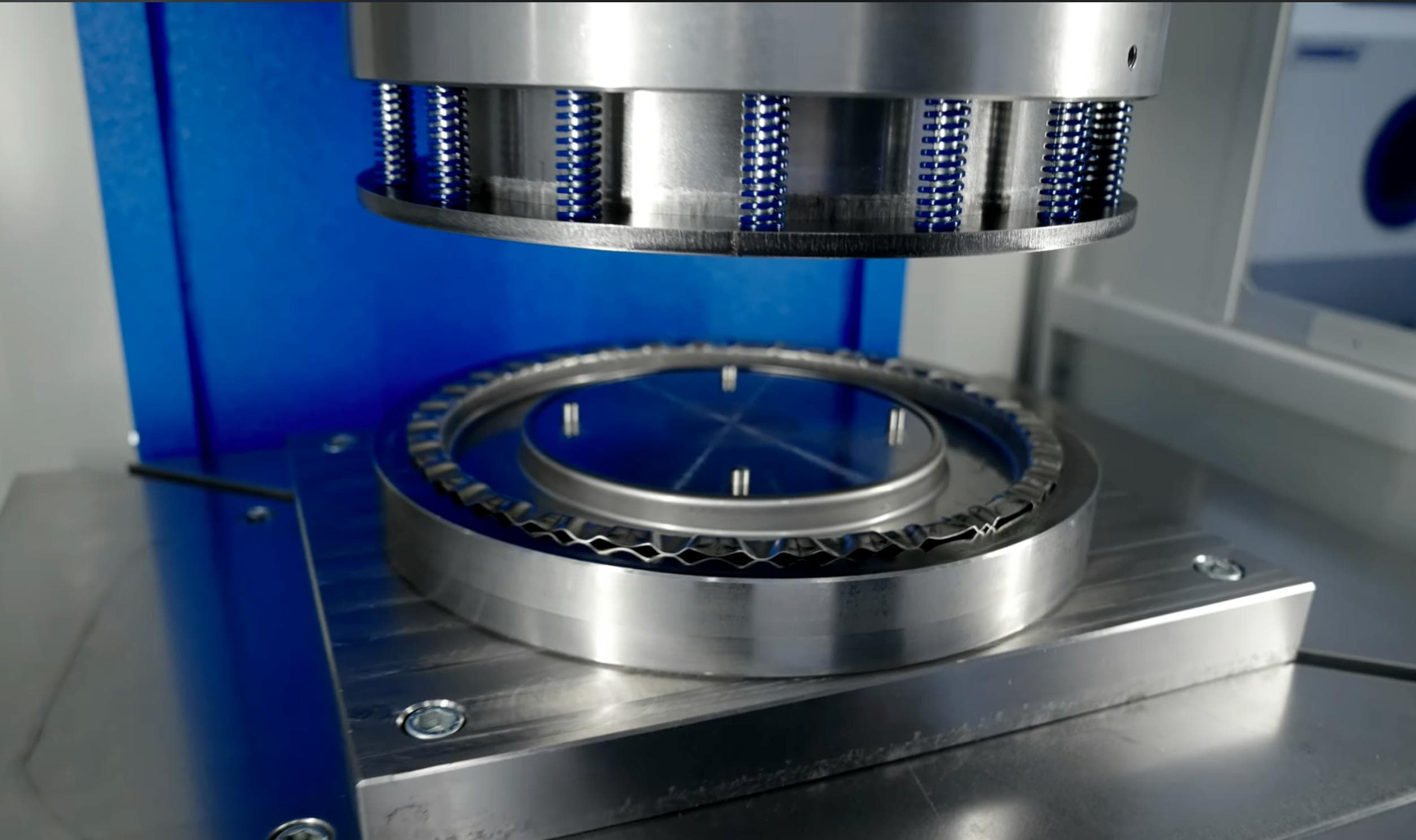
High-Temperature Metallic Seals: Unlike conventional engines that use elastomeric seals, the GT50 utilizes advanced metallic seals to handle the intense heat and pressure passages. We have now fully defined these solutions and are moving into the prototype build phase.
Running Clearances: Maintaining tight tip clearances between rotating components is critical for efficiency. We utilize state-of-the-art 3D whole-engine modelling to track thermal movements across the operating cycle, ensuring the engine runs perfectly on the test bench.
Precision Component Manufacturing
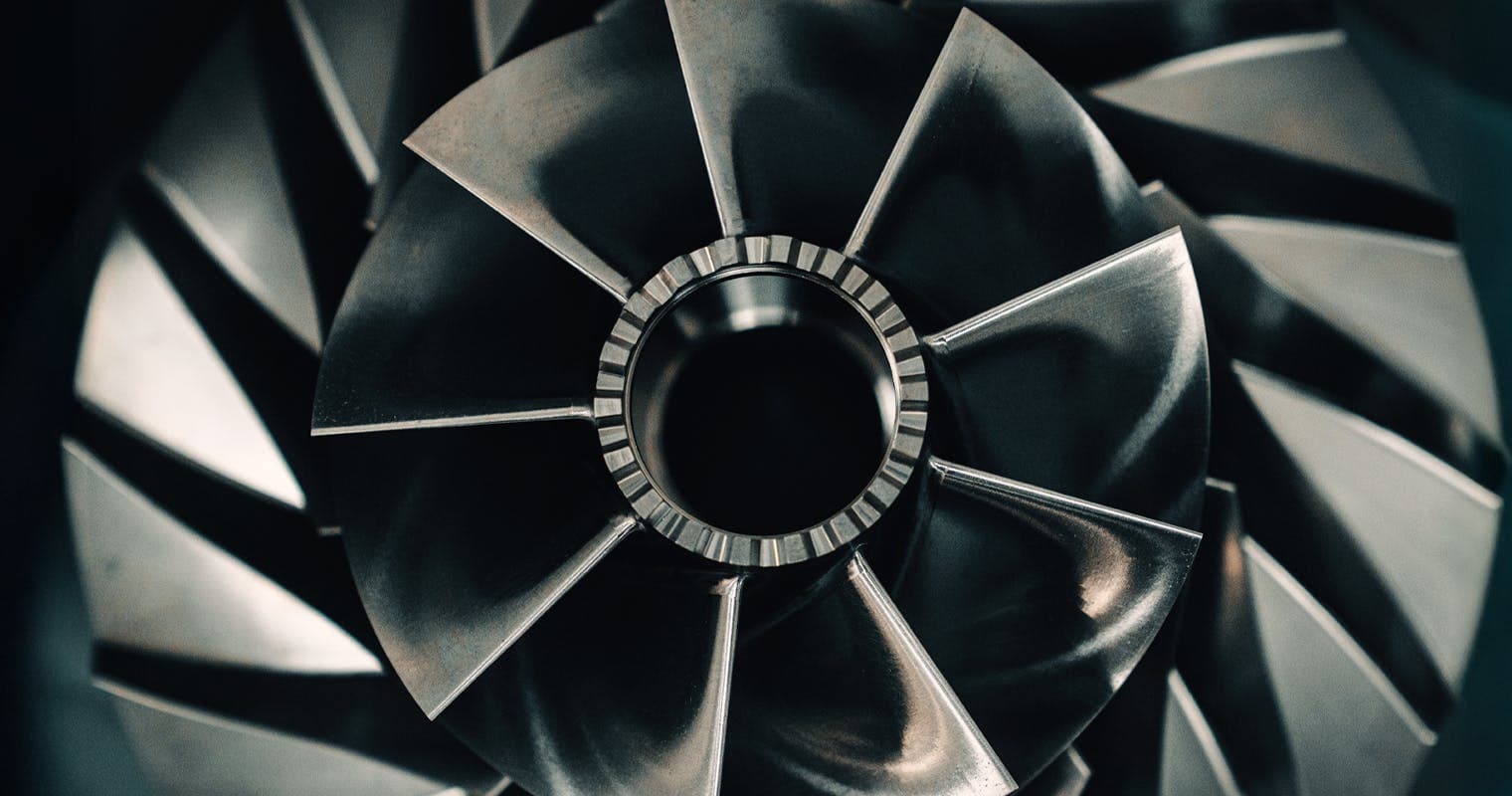
The Compressor: Machined from high-grade titanium alloy billets, the compressor blades are currently being cut to exact specifications for the first prototype run.
Annular Combustor: Using our newly installed press facility at PC1, we are now roll-forming and pressing combustor components with production-level speed and accuracy.
Micromachining Fuel Nozzles: Our 12 dual-orifice fuel spray nozzles require "watchmaking" levels of precision. We use CT scanning to create digital replicas of these assemblies, allowing us to inspect internal geometries and eccentricities down to the micron.
The First HX50 Composite Main Rotor Blade
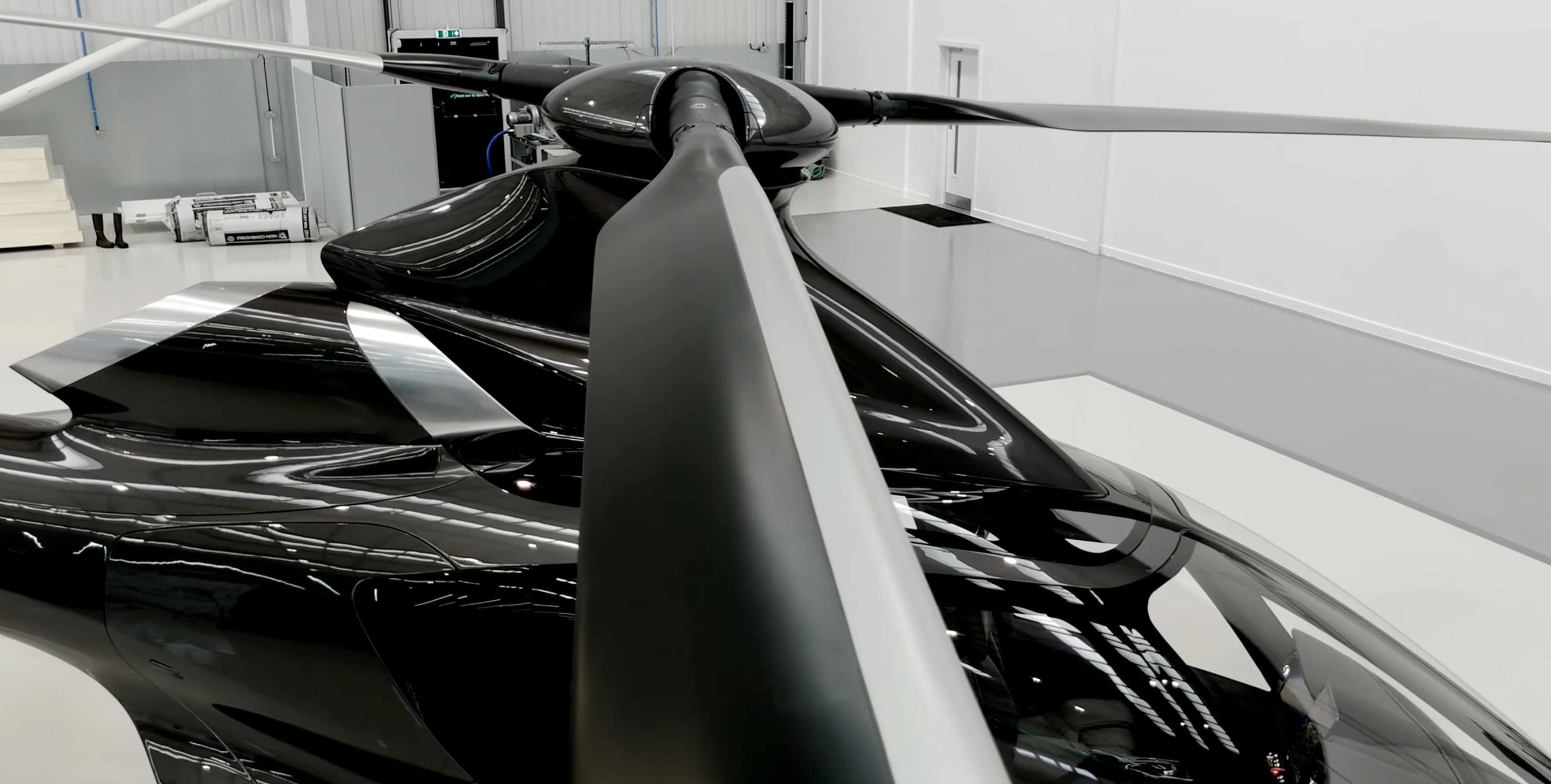
One of the most significant milestones was the successful cure of the first HX50 composite main rotor blade. This is a core piece of the aircraft's DNA, designed for a 20,000-hour service life.
One-Shot Moulding: We have developed a proprietary "one-shot" moulding process using electrically heated aluminium tools. This allows us to cure the skins, spar plies, and trailing edge cores in a single cycle.
High-Inertia Safety: The blade is designed with buried steel tip weights. This creates a high-inertia rotor system, providing the pilot with benign, docile handling qualities and maximum energy for autorotation.
Advanced Aerodynamics: Featuring parabolic tips and laminar flow profiles, these blades are the engine behind our 140-knot cruise speed and 2,000 kg+ lift capacity.
Testing the Drivetrain and Subsystems
Before an aircraft flies, its components must endure thousands of hours of simulated stress. Our testing programme is currently operating at full throttle.
Starter Generator (MGU): The Motor Generator Unit has been successfully tested in excess of 40,000 RPM, solving early vibration and electromagnetic compatibility (EMC) challenges.
Drivetrain Rig: The rig is now fully instrumented and operational. We have completed low-speed shakedown testing and are moving into high-speed, full-power balancing.
The Gas Generator Test Cell: We are fitting out a dedicated, soundproofed test facility at PC1 to house the gas generator. This "black box" will feature over 100 sensors to monitor every pressure and temperature variable in real-time.
Safety by Design: The Crashworthy Cabin
Our recent focus has been on optimising the cabin for maximum occupant protection.
Evolutionary Seating: Our crew seats significantly exceed CS Part 27 standards. While the industry standard is 77kg, we’ve designed our seats and impact attenuators to protect passengers up to 136kg (300lbs).
Anti-Submarining & Shin Protection: Through advanced crash simulations, we’ve added anti-submarining ramps to catch the pelvis during impact and moved shear panels to prevent foot injuries for rear passengers.
Polycarbonate Impact Windows: Our front windows are engineered to catch high-velocity bird strikes like an "onion sack," deforming to absorb energy while staying securely bonded to the airframe.

JOIN OUR GROUP PRESENTATION
Are you interested in the HX50? Book your spot in our group presentation and learn why the HX50 will be better than your current helicopter.
What's in the presentation
Who
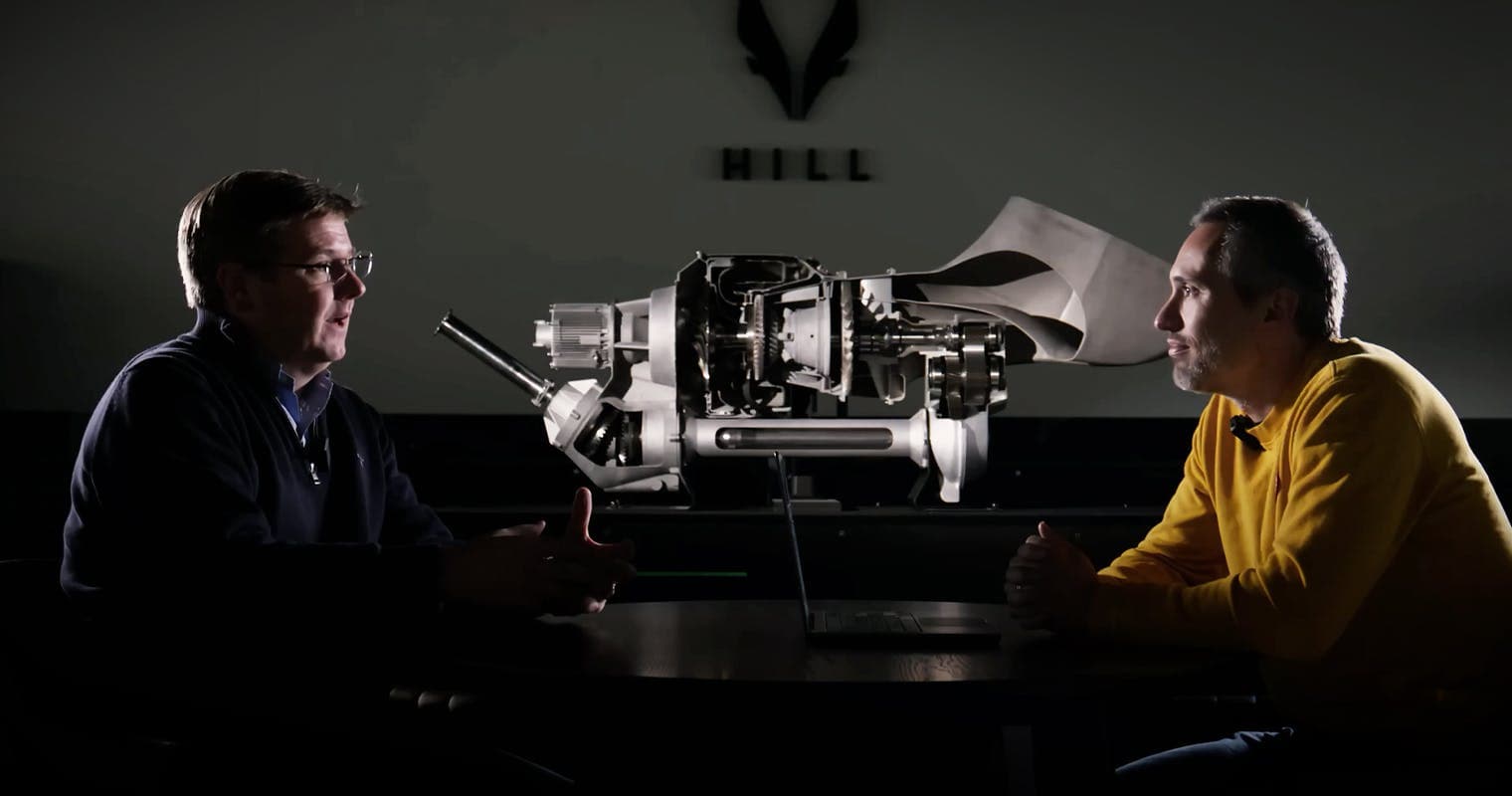
Mischa Gelb (aka Pilot Yellow) and Ruben Dias
What
Exclusive full details about the HX50 not yet available to the public
How
30-minute presentation + Q&A
Be part of the journey
Get all the relevant news and updates about the HX50 delivered to your inbox.

HX50
Exterior Concept
Interior Concept
GT50 Turbine Engine
General Aviation 2.0
Hill Digital Cockpit
News & Stories
Technical Details
Range Simulator
Journey to HX50
ADDRESS
Hill Helicopters
Unit 3, Shackleton Way
Stafford, ST16 1GY
United Kingdom
Contact
General Enquiries:
+44 (0) 1384 590700
Accounts:
+44 (0) 1384 590700
Sales:
+44 (0) 1889 228040
hello@hillhelicopters.com
ADDRESS
Hill Helicopters
Unit 3, Shackleton Way
Stafford, ST16 1GY
United Kingdom
© 2026 HILL HELICOPTERS